Affiliate marketing makes up 16% of all ecommerce orders in the US and Canada, putting it in the same league as email and organic search as a revenue driver. Salaried affiliate marketers earn an average of $67,000 a year, and the top earners clear well over $150,000. The numbers are hard to ignore.
What's less obvious is how accessible the whole thing actually is. You don't need a product, a big budget or a following to get started. You don't even need a website. What you do need is a clear roadmap, because without one, most beginners waste months going in circles before they figure out what actually works.
That's what this guide is. Whether you're exploring affiliate marketing for the first time or you've poked around before and never quite gotten traction, we'll walk you through every step: choosing a niche, picking the right traffic source, launching your first campaign and optimizing it until it earns.
What is Affiliate Marketing?
The concept is straightforward. You promote someone else's product or service through a blog, a YouTube video, a social media post or a paid ad and earn a commission every time someone buys through your link. No inventory, no customer support, no product to build.
What makes affiliate marketing genuinely appealing for beginners isn't just the simplicity, but the low barrier to entry. You don't need much money to start, and in many cases you don't need any. What you do need to invest is time: building an audience, creating content and learning what your readers actually respond to.
How Does Affiliate Marketing Work?
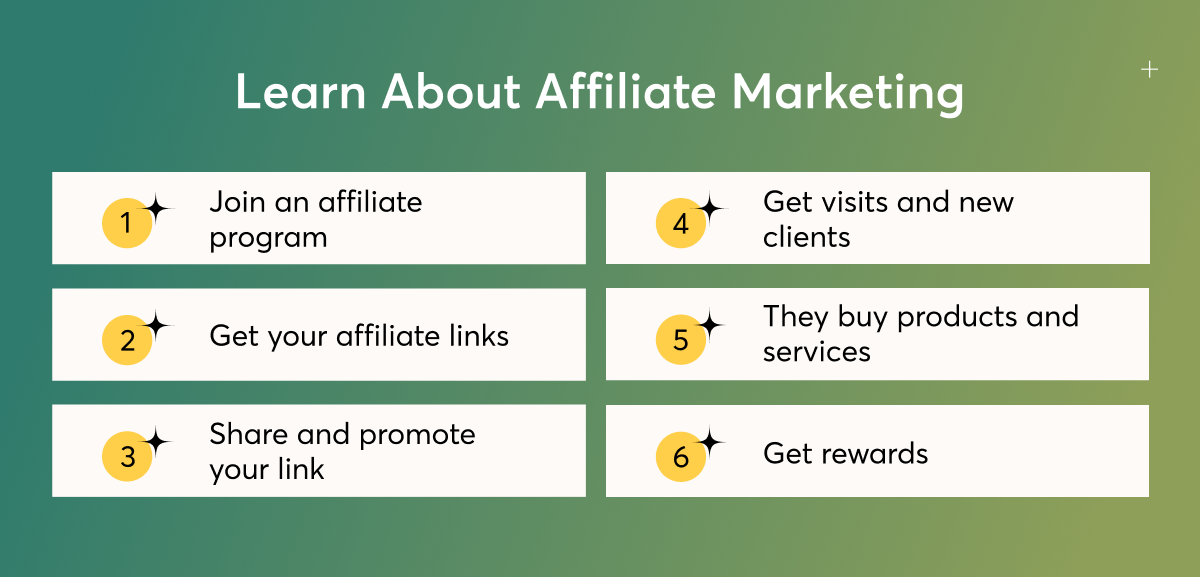
You join an affiliate program, get a unique tracking link and place it in your content. When a reader clicks that link and makes a purchase, the sale is recorded via cookies and the commission is credited to your account. The merchant handles everything else.

How Much Money Can You Make With Affiliate Marketing?
The honest answer is: it varies a lot, and mostly depends on whether you treat this as a side project or a real business.
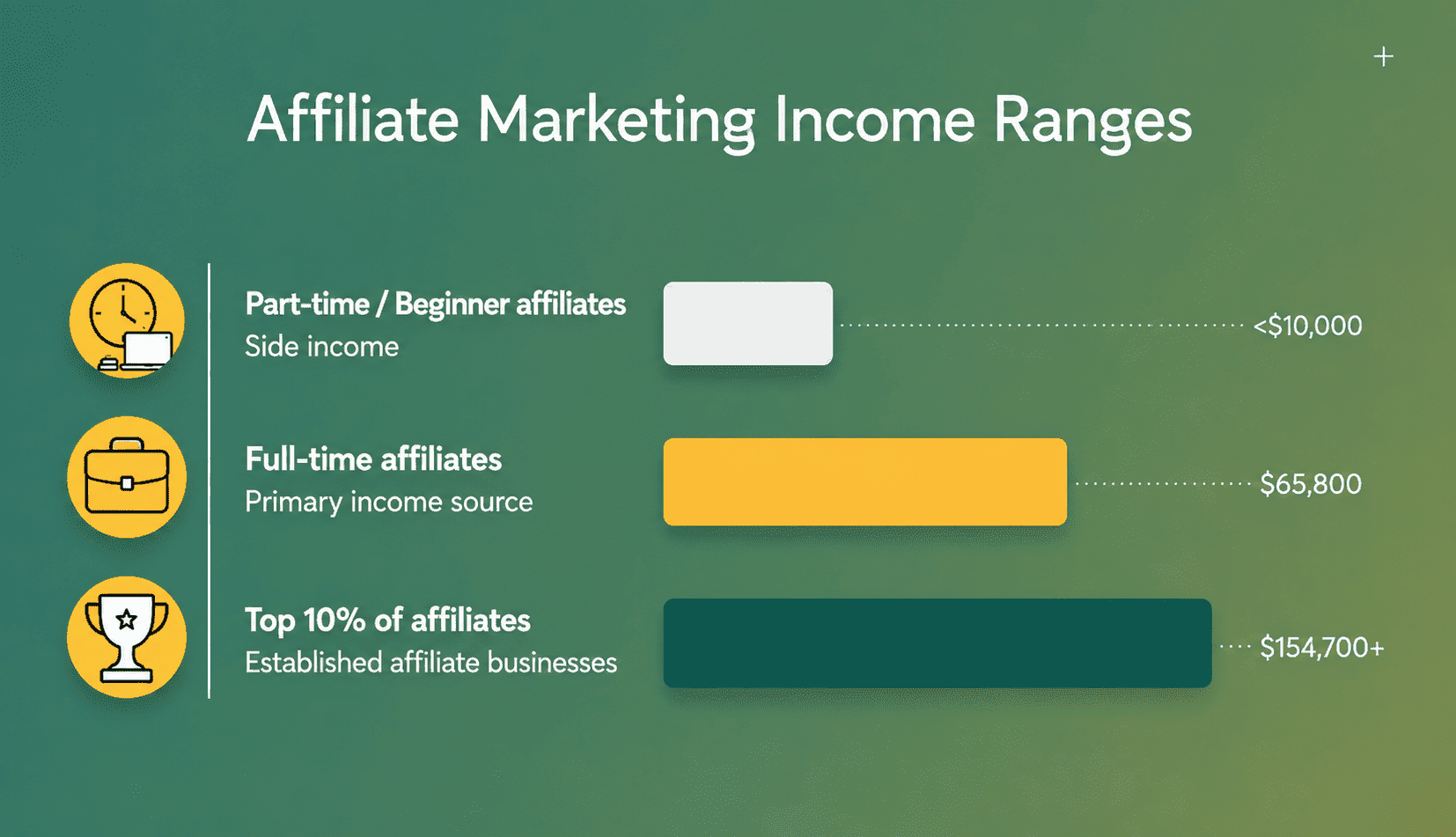
According to 2026 Glassdoor data, salaried affiliate marketing associates in the US earn an average of $67,255 per year, with senior managers averaging $116,781. Those are employed positions though: with a stable salary, set responsibilities and a ceiling.
Freelance affiliate marketing looks different. Most people who try it earn under $10,000 a year, but that's largely because most treat it as a side gig. Among those who go full-time, the average annual income is $65,800, with top earners clearing $154,700 or more. High-ticket affiliate marketers average around $6,250 a month, and the upper end goes well beyond that.
The gap between part-time and full-time earnings is the most important thing to understand here. Affiliate marketing rewards consistency and optimization over time rather than just initial effort.
How Do You Become an Affiliate Marketer?
So how to start with affiliate marketing? The truth is that no certification, degree or prior experience required. What actually moves the needle is how well you understand your niche and the people you're trying to reach, because the more genuinely useful you are to your audience, the easier it is to earn their trust and their clicks.
That said, a few skills will make the learning curve noticeably shorter:
- Technical skills: You don't need to be a developer, but being comfortable with social media platforms, basic SEO and the idea of building a simple website will save you a lot of frustration early on.
- Time management skills: Affiliate marketing is self-directed work. Nobody sets your deadlines or checks your output, which is freeing but also means results depend entirely on how consistently you show up.
- Writing skills: Most affiliate content is written, like reviews, comparisons and guides. Being able to explain things clearly and keep people reading is one of the most transferable skills in this industry.
- Creativity: The ability to present familiar products in a fresh way or find angles your competitors haven't thought of is what separates forgettable content from content that actually converts.
How to Start Affiliate Marketing in 2026: Step-by-Step
People rarely fail at affiliate marketing because they aren't motivated. More often, they simply don't know where to begin. These steps won't guarantee overnight success, but they'll make sure you're building in the right order.
1. Choose a Niche You Can Grow In
Start with a topic you genuinely understand or are willing to learn deeply. Many beginners chase the highest commissions instead and end up creating thin content in a space they don't care about, which audiences notice immediately.
A good niche meets three criteria:
- Consistent audience demand.
- Products or services with affiliate programs in the space.
- Long-term growth potential rather than seasonal spikes.
Popular options include personal finance, software and SaaS, health and wellness, online education and technology. When evaluating a niche, also consider seasonality. A niche that's only relevant for part of the year means your income will follow the same pattern, which makes it much harder to build consistent revenue.
2. Research Affiliate Programs and Offers
Once you've chosen your niche, look for products that solve real problems for your audience. When evaluating programs, pay attention to commission rates, cookie duration, average order value and brand reputation.
A higher commission doesn't always mean a better opportunity: a trusted product with strong conversion rates will often outperform a high-paying offer that nobody wants to buy.
3. Join an Affiliate Network
Affiliate networks give you access to multiple programs from a single dashboard, along with tracking tools and reporting.
Popular options for beginners include Amazon Associates for physical products, ClickBank for digital products, Shopify and HubSpot for business and SaaS audiences and MGID for affiliates who plan to use paid traffic. We cover these in more detail in the comparison table below.
4. Create Your Primary Traffic Channel
This is where most beginners make their first big mistake: trying to be everywhere at once.
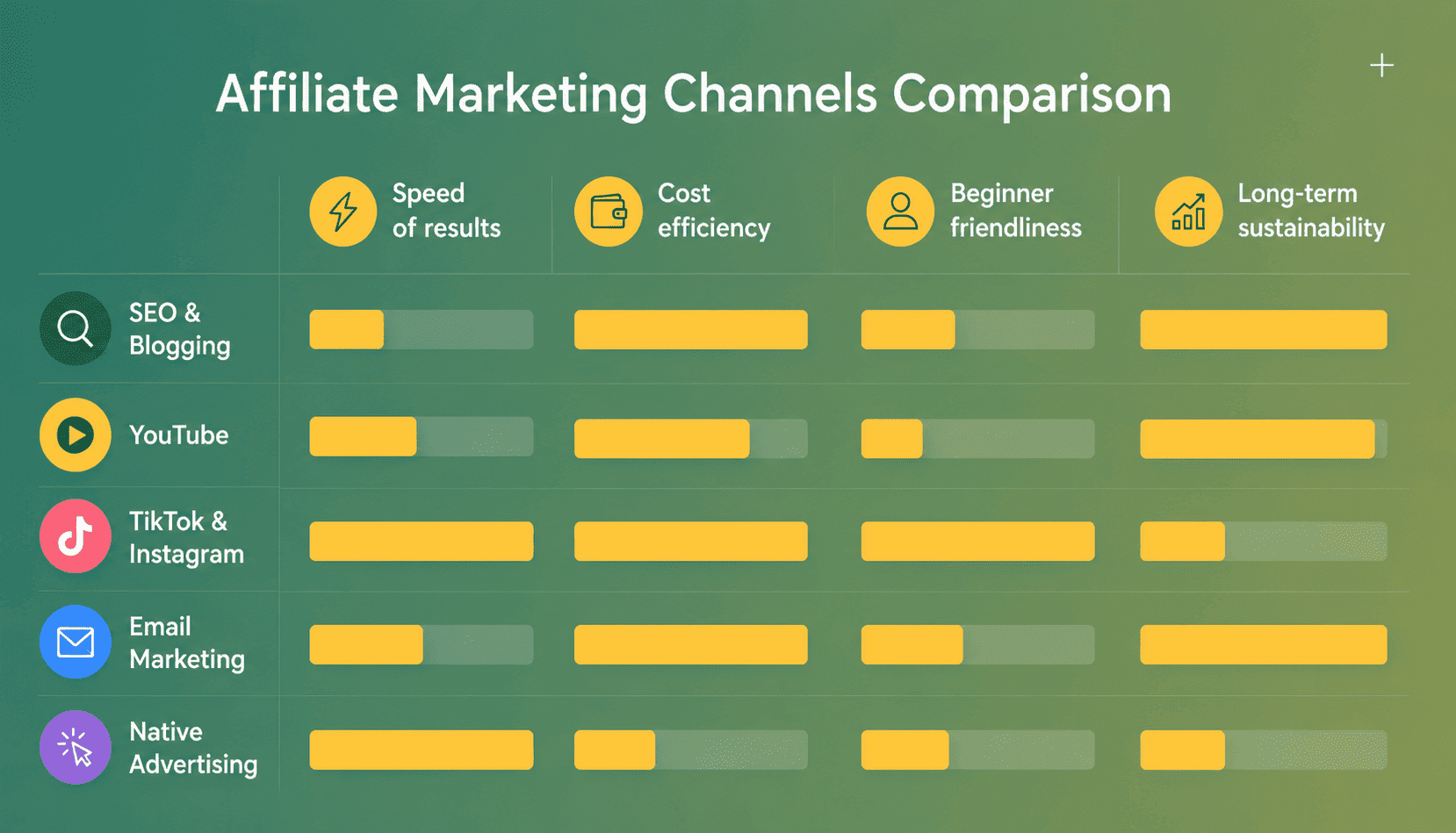
Pick one channel and focus on it until you're generating consistent traffic. Your options are a niche blog or website, a YouTube channel, TikTok or Instagram or an email newsletter. Each has different tradeoffs in terms of speed, cost and effort: we break these down in the traffic sources section below.
5. Get Approved for Affiliate Programs
Some programs approve applications automatically; others review them manually. To improve your chances, have at least some content published before you apply, explain your promotional strategy clearly and use a professional email address. If you're rejected, you can usually reapply after building more content and traffic.
6. Create Helpful Content Around Buyer Intent
The most effective affiliate content helps people make purchasing decisions rather than pushing them toward a sale. Product reviews, comparisons, best-of lists, tutorials and problem-solving guides all work well because they meet readers at the moment they're already considering a purchase.
7. Launch, Track and Optimize
Put your links in front of real users through published content or a paid campaign and start measuring what happens. The metrics that matter most are click-through rate, conversion rate and earnings per click.
Very few campaigns are profitable from day one; the goal of your first launch is to gather data and not to make money immediately. Once you see what's working, test variations: different headlines, calls to action, landing pages and audience segments. Small improvements across multiple touchpoints add up quickly.
8. Scale What Works
When you've found a combination of offer and traffic source that converts, that's the time to put more behind it. Publish more content around related keywords, increase ad budgets gradually, build an email list and look at additional products within your niche.
Scaling before you have a proven system is how beginners burn through their budget, and scaling after is how they grow.
How to Start Affiliate Marketing Without a Website
A website is useful, but it's not a requirement. Plenty of successful affiliates have built real income streams entirely through social platforms, video content and email without ever registering a domain.
Here's what actually works without a website:
- TikTok and Instagram: Short-form video is one of the fastest ways to reach a new audience from zero. A single well-targeted video can drive more clicks than months of SEO work. The tradeoff is that algorithms change and traffic isn't yours to keep.
- YouTube: Longer-form video content builds trust faster than almost any other format. Product reviews, tutorials and comparisons perform particularly well, and videos continue generating clicks long after they're published.
- Email newsletters: Platforms like Beehiiv or Substack let you build a list and promote affiliate products directly to subscribers with no website needed. An engaged email list is one of the most valuable assets an affiliate can own.
- Online communities: Forums, Reddit threads and Facebook groups can drive targeted traffic if you're genuinely contributing value rather than just dropping links.
The real limitation of going website-free is control. You're building on platforms that can change their rules, reduce your reach or disappear entirely. A website gives you a stable foundation that you actually own.
If you want to go deeper on this approach, we have a full guide on how to do affiliate marketing without a website.
Best Traffic Sources for Affiliate Marketing Beginners
Traffic is what turns affiliate links into commissions. The right channel for you depends on your budget, your strengths and how quickly you want to see results: there's no universally correct answer. What matters most is picking one source and sticking with it long enough to actually learn it.
SEO and Blogging
Search engine optimization is one of the most reliable long-term strategies in affiliate marketing. You create content that answers questions people are already searching for, and as your articles rank, they generate traffic and commissions for months or years with minimal additional effort.
It takes time, often several months before you see meaningful traffic, but the payoff is that visitors are free and compounding. This approach is ideal for people who have more time than money and don't mind publishing content consistently.
YouTube
Video builds trust faster than almost any other format. People can see your personality, hear your reasoning and watch a product in action, which makes the decision to buy feel much more natural. Reviews, tutorials, unboxings and comparisons all perform well.
Unlike blog posts, YouTube videos keep generating views long after they're published, which gives them a similar compounding effect to SEO. It's particularly effective for creators who are comfortable on camera or willing to develop that skill over time.
TikTok and Instagram
Short-form video has dramatically lowered the barrier to entry for new creators. A single video can reach thousands of people without an existing audience, which makes these platforms attractive for beginners who want faster exposure.
The tradeoff is unpredictability: algorithms shift constantly and traffic is harder to sustain than with SEO or email. These platforms favor creators who can publish frequently and adapt quickly to trends.
Email Marketing
An email list is the one traffic asset you actually own. Unlike social platforms or search engines, nobody can change the algorithm and make your audience disappear overnight. You build a list by offering something valuable for free, then nurture subscribers with useful content and relevant product recommendations over time.
Email typically delivers some of the highest conversion rates of any traffic source, because you're reaching people who already trust you enough to invite you into their inbox. It's a strong choice for marketers focused on building a sustainable business rather than chasing short-term clicks.
Native Advertising
Native ads are designed to blend into the content people are already reading, appearing as recommended articles across publisher websites rather than interrupting the experience. For affiliates who want faster feedback than SEO can provide, native advertising is one of the most beginner-friendly paid traffic options available.
Platforms like MGID let you launch campaigns with a modest budget, test different offers and gather real performance data without needing advanced advertising experience. This channel suits affiliates who are prepared to invest a small testing budget and want quicker feedback than organic traffic can provide.
Affiliate Marketing Starter Budget Guide: How Much Does It Cost to Start?
One of the most common questions beginners ask is: "How much money do I need to start affiliate marketing?" The answer depends almost entirely on which traffic strategy you choose.
| Expense | Estimated cost |
|---|---|
| Domain name | $10-$20/year |
| Website hosting | $3-$15/month |
| Basic SEO tools | Free-$50/month |
| Content creation tools | Free-$30/month |
| Email marketing platform | Free-$20/month |
| Native advertising test budget | $100-$300 |
| Social media ads test budget | $100-$500 |
Starting Affiliate Marketing With a $0 Budget
If money is tight, organic traffic channels are your starting point.
You can:
- Create a free TikTok account
- Start a YouTube channel
- Build an audience on Instagram
- Publish content on free blogging platforms
- Participate in online communities within your niche
The tradeoff is time. Building organic traffic takes months, and results are rarely linear. But plenty of successful affiliates started this way: it just requires patience and consistency.
Starting Affiliate Marketing With a $100-$300 Budget
This is the sweet spot for most beginners.
With a modest budget, you can:
- Purchase a domain and hosting
- Create a simple affiliate website
- Test your first native advertising campaigns
- Collect performance data
- Learn how affiliate tracking works
At this stage, your goal isn't profitability. You're learning how affiliate tracking works, what your audience responds to and which offers are worth scaling. That knowledge is worth more than any early commission.
Starting Affiliate Marketing With a $500+ Budget
A larger budget lets you test multiple offers, audiences and traffic sources at the same time, which compresses your learning curve.
You can:
- Run larger paid traffic campaigns
- Create more content
- Build landing pages
- Experiment with different affiliate programs
- Scale winning campaigns more quickly
However, a bigger budget does not guarantee success. Many beginners who increase spending before understanding what works tend to lose it faster. This budget makes most sense once you've already run a first campaign and have some data to guide your decisions.
What a First Campaign Actually Looks Like
| Item | Cost |
|---|---|
| Domain + hosting | $25 |
| Landing page builder | Free |
| Affiliate network signup | Free |
| Native advertising campaign | $150 |
| Tracking and analytics | Free |
| Total | ~$175 |
This is enough to generate real performance data and understand whether an offer has potential without betting a significant amount of money on your first attempt.
Realistically, beginners should expect to invest between $100 and $300 to properly test their first affiliate campaign.
Types of Affiliate Products: Physical, Digital and Services
There are three broad categories of affiliate products, and each comes with a different earning model, approval process and audience dynamic. None is inherently better than the others: the right choice depends on your niche and how you plan to create content.

Affiliate Marketing for Physical Products
Physical products are the easiest category to get started with, largely because programs like Amazon Associates make approval straightforward and the product selection is virtually unlimited. Audiences also tend to trust physical products more readily, because they can see exactly what they're buying.
The downside is commission rates. Amazon Associates pays between 0.5% and 4.7% on most physical goods, which means you need meaningful traffic volume to generate serious income. Other physical product programs often pay better, so it's worth exploring options beyond Amazon once you find your footing.
Key advantages: Recognizable brands, easier to sell, potential for repeat purchases.
Affiliate Marketing for Digital Products
Digital products, like online courses, software, ebooks and templates, typically offer much higher commission rates than physical goods, often between 30% and 50%. There's no inventory, no shipping and no stock issues, which makes them straightforward to promote.
The approval process can be less straightforward though. Many digital product creators run their own affiliate programs rather than listing through a central marketplace, which means you'll often need to approach them directly. ClickBank is the main exception: it's a large marketplace of digital offers with an easy approval process for beginners.
Key advantages: High commissions, no physical logistics, strong problem-solving angle that makes content easier to write.
Affiliate Marketing for Service Products
Web hosting, SaaS tools, design platforms and marketing software — these are service-based affiliate programs. They are where some of the most sustainable affiliate income comes from. Many pay recurring commissions, meaning you earn every month a referred customer stays subscribed rather than just once at the point of sale.
Commissions typically range from 15% to 30%, and quality services tend to have strong retention, which makes your earnings more predictable over time.
Key advantages: Recurring commissions, high demand, strong conversion potential when you genuinely use and understand the service.
Best Affiliate Marketing Programs for Beginners in 2026
Thousands of affiliate programs exist, but beginners are usually better off starting with platforms that have a straightforward approval process and products that are genuinely easy to promote. Here's a breakdown of the most beginner-friendly options across different categories.
| Program | Best for | Min. payout |
|---|---|---|
| Amazon Associates | Physical products | $10 |
| ClickBank | Digital products | $10 |
| WP Engine | Web hosting | $50 |
| Fiverr Affiliates | Services | $100 |
| Shopify | Ecommerce | No minimum |
| HubSpot | B2B & SaaS | $10 |
| MGID | Paid traffic affiliates | Varies |
1. Amazon Associates
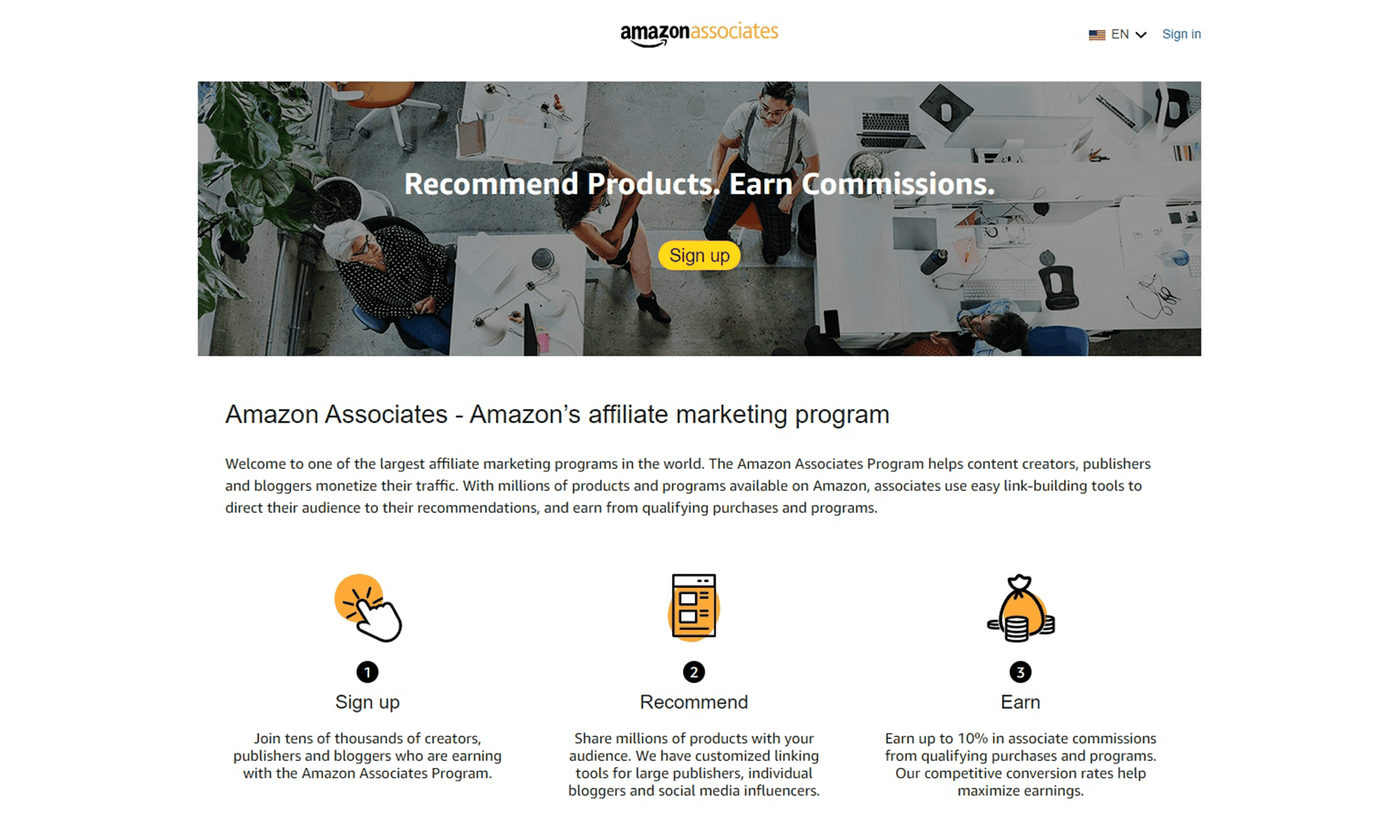
Amazon Associates is the most accessible starting point for physical product affiliates. The product selection is essentially unlimited and the brand trust is already there, which makes conversion easier. Commission rates are low (0.5%–4.7% on most categories) so you'll need solid traffic volume to make meaningful income, but as a first program it's hard to beat for simplicity.
💡 Beginner tip: Start by reviewing products you already own and use. Authentic firsthand experience is the fastest way to build credibility with a new audience.
2. ClickBank
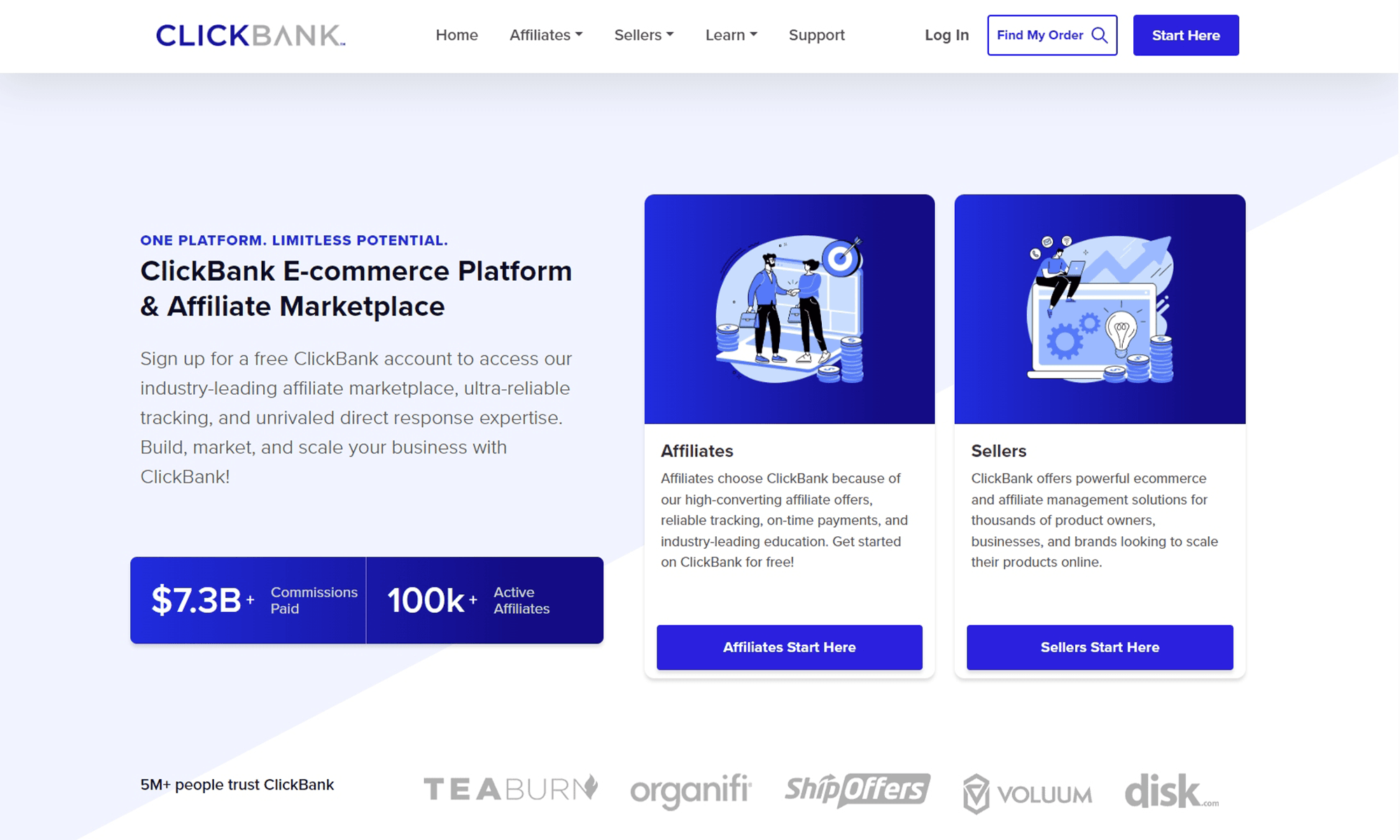
ClickBank is the go-to for digital products. Approval is easy, commissions are high and the marketplace is large enough to find offers in almost any niche. Product quality varies significantly though, so spend time vetting offers before you start promoting.
💡 Beginner tip: Filter by "gravity score" when browsing offers. A high gravity means other affiliates are actively making sales, which is a good signal that the offer converts.
3. WP Engine
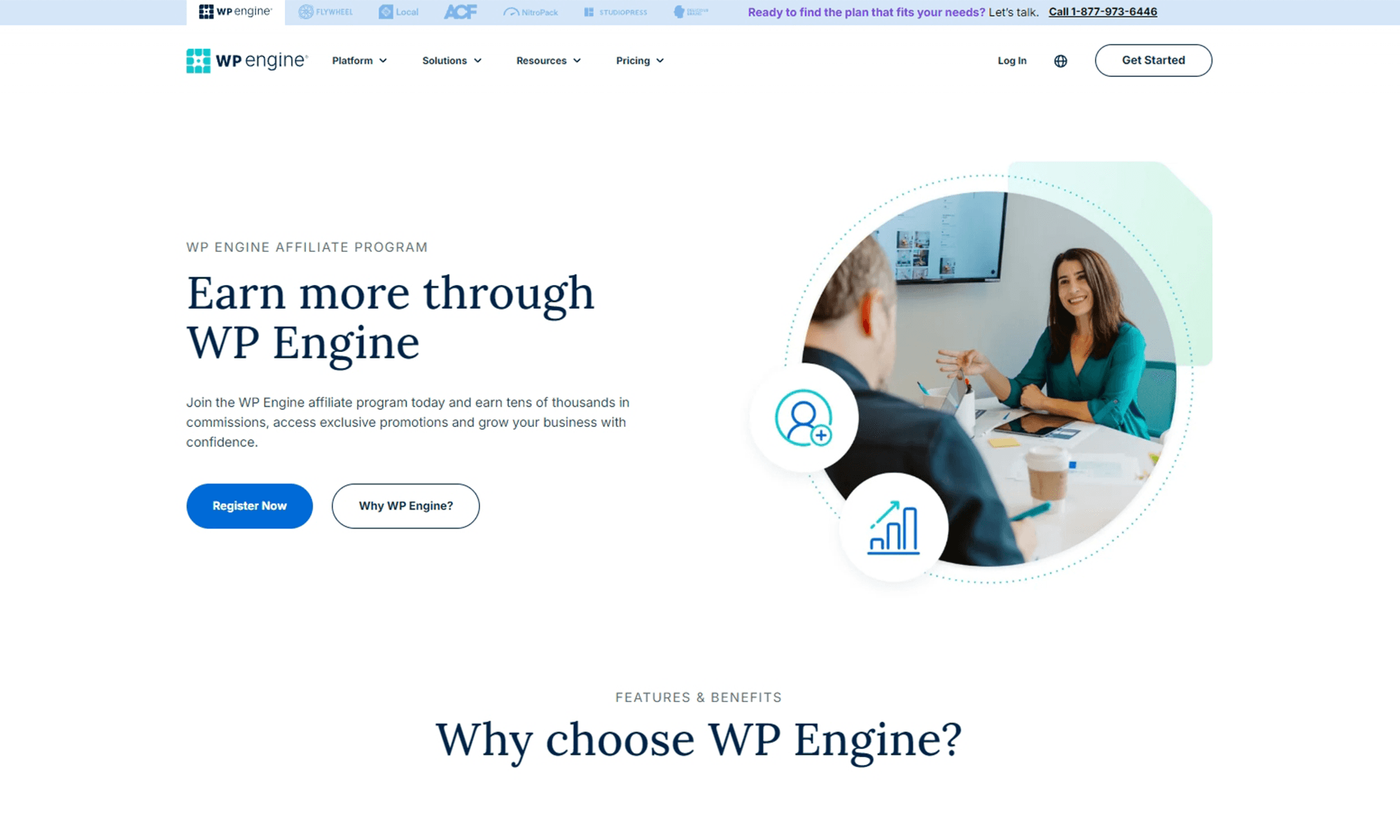
WP Engine is a managed WordPress hosting provider with strong commissions and a long cookie duration. The web hosting niche is competitive, but if your audience includes bloggers, developers or small business owners it's worth considering.
💡 Beginner tip: Hosting converts best when you walk readers through setup. A step-by-step tutorial that uses your affiliate link throughout is one of the highest-converting content formats in this niche.
4. Fiverr Affiliates
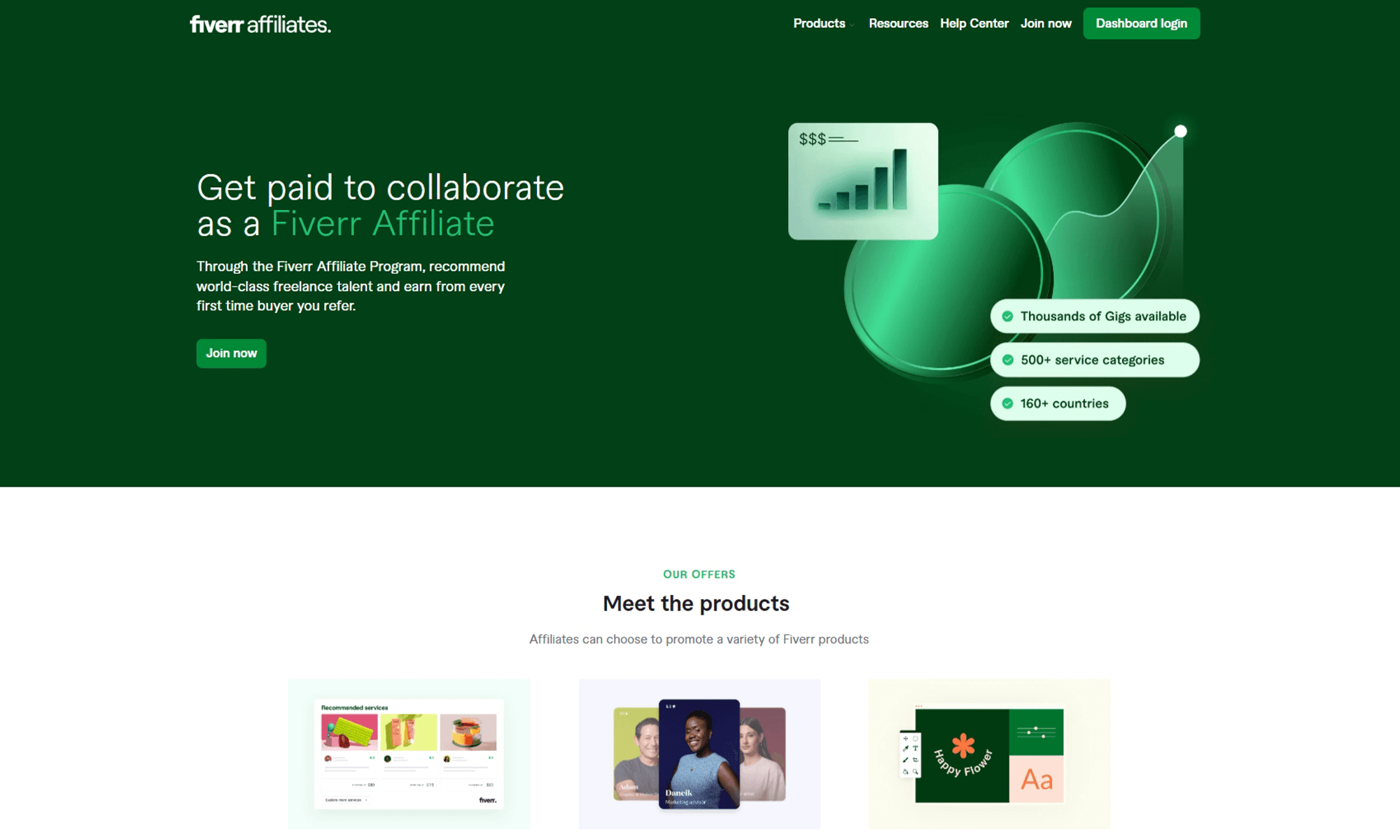
Fiverr Affiliates works well if your content touches on freelancing, business or entrepreneurship. The platform is widely recognized and the services on offer are relevant across a broad range of niches, which gives you flexibility in what you promote.
💡 Beginner tip: Rather than promoting Fiverr generally, focus on specific service categories your audience actually needs: logo design, copywriting or video editing. Specific recommendations convert better than broad ones.
5. Shopify Affiliate Program
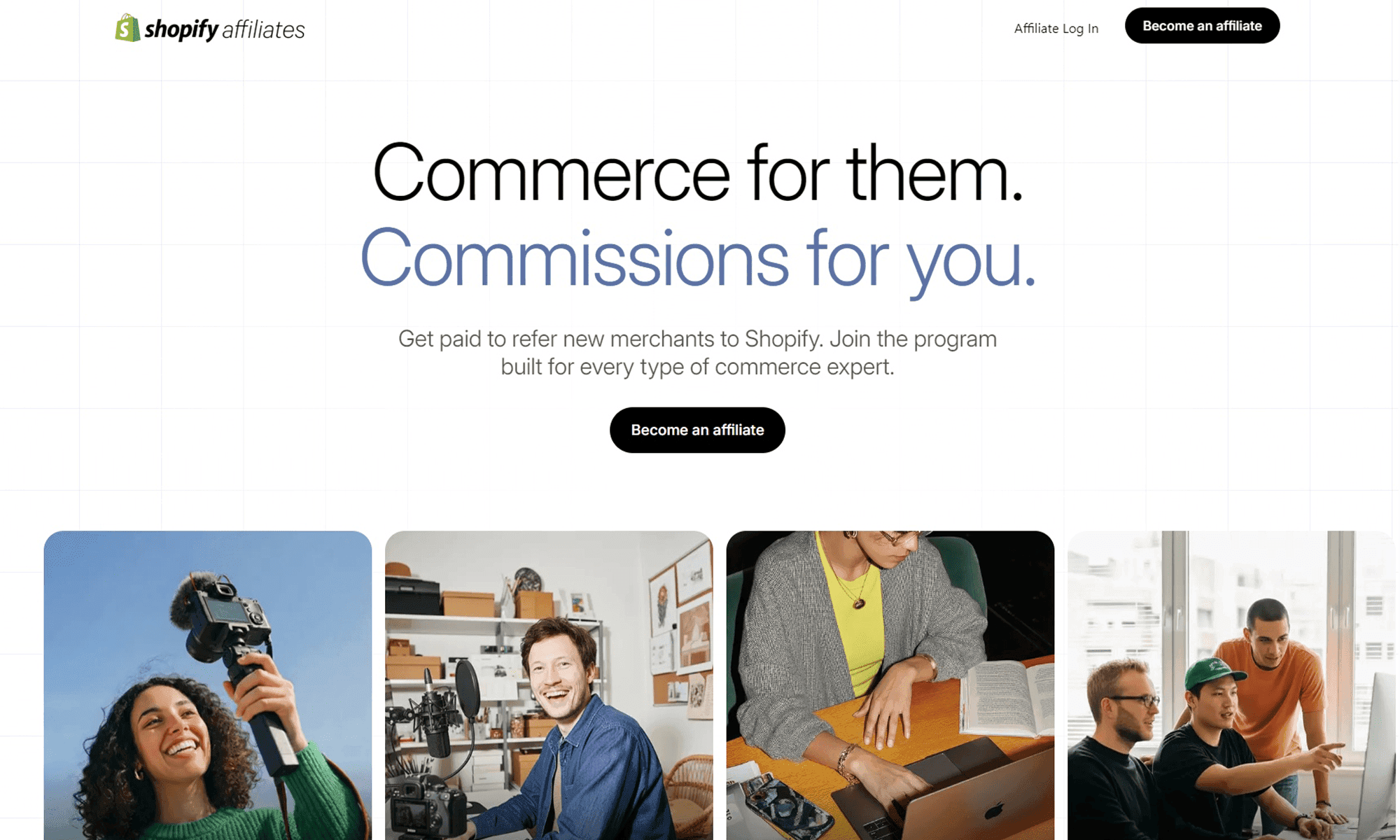
Shopify is a strong option for anyone creating content around ecommerce or online business. It's a high-value product with strong brand recognition and good conversion potential, particularly if your audience is interested in starting or growing an online store.
💡 Beginner tip: "How to start an online store" content paired with a Shopify affiliate link is one of the most straightforward funnels in this space. The search intent and the product match almost perfectly.
6. HubSpot Affiliate Program
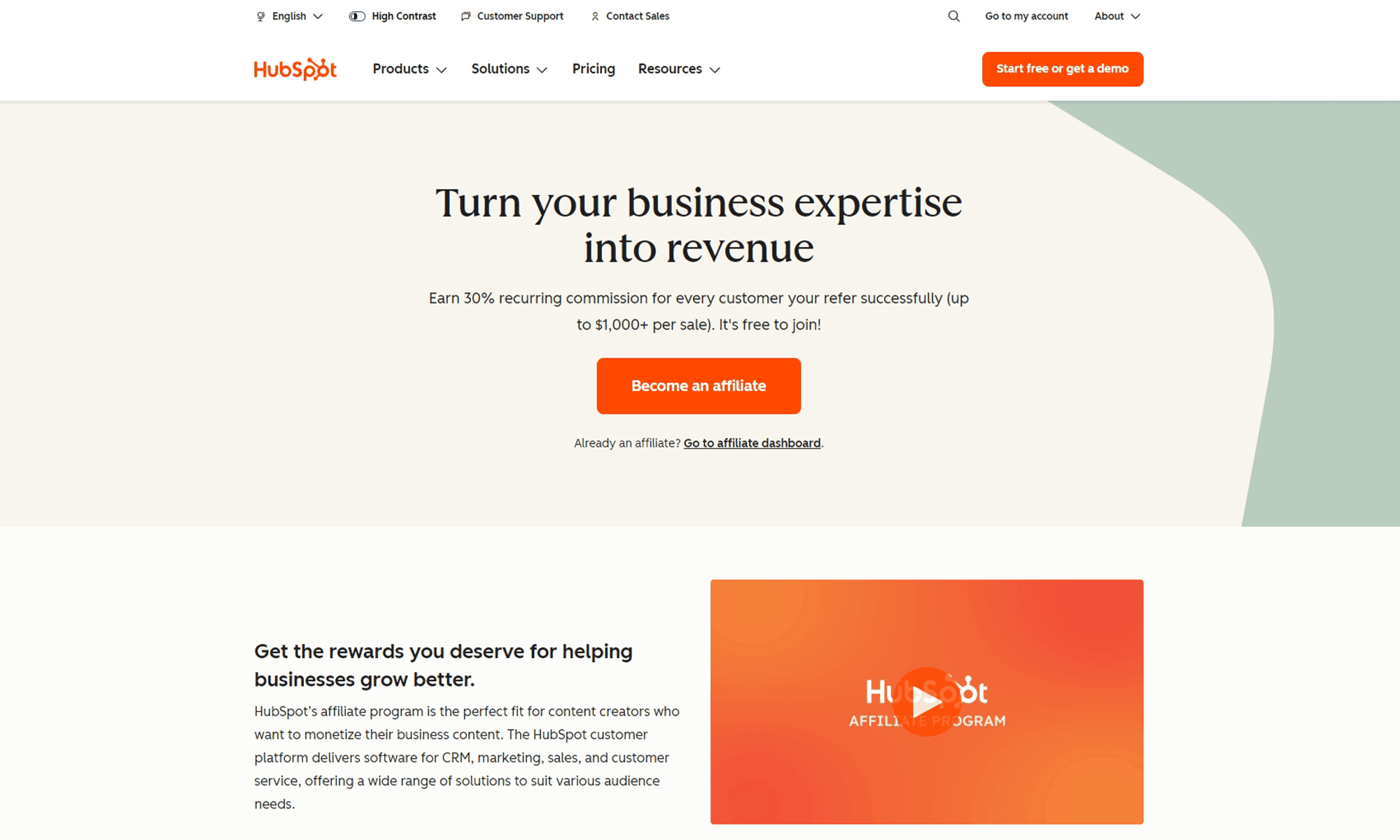
HubSpot suits content creators in the marketing and B2B space. It offers a long cookie duration and strong educational resources to support your promotions, though it's less relevant for general consumer audiences.
💡 Beginner tip: HubSpot's free tools are a natural entry point, so create content around the free CRM or free email marketing features, then let readers discover the paid plans on their own.
7. MGID
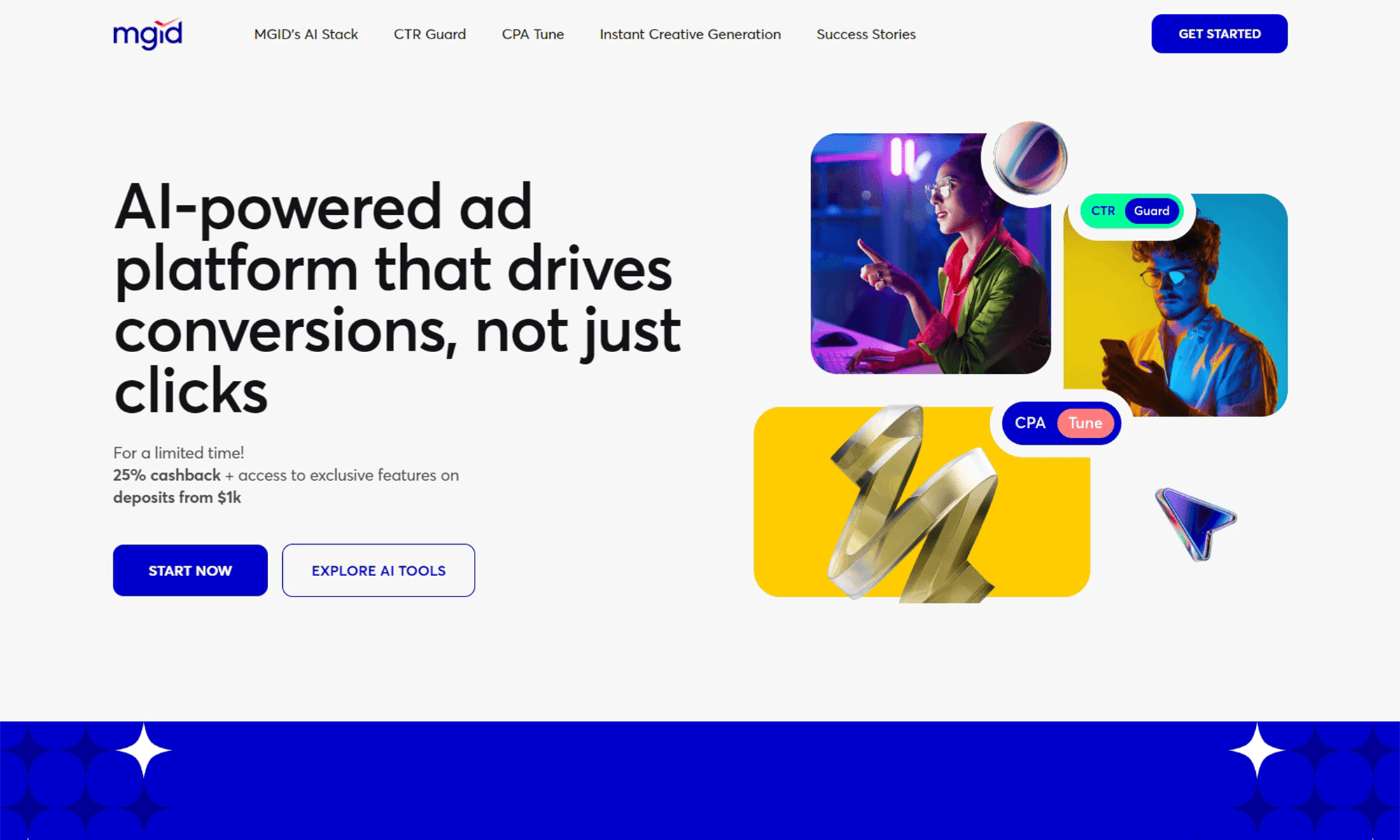
MGID is worth highlighting for beginners who plan to use paid traffic rather than relying solely on organic channels. Instead of waiting months for SEO to kick in, you can launch native advertising campaigns, test offers with a modest budget and start gathering real performance data early.
💡 Beginner tip: Use MGID to test whether an offer actually converts before investing in long-form content around it. Paid traffic gives you data in days rather than months.
Common Affiliate Marketing Mistakes and How to Avoid Them
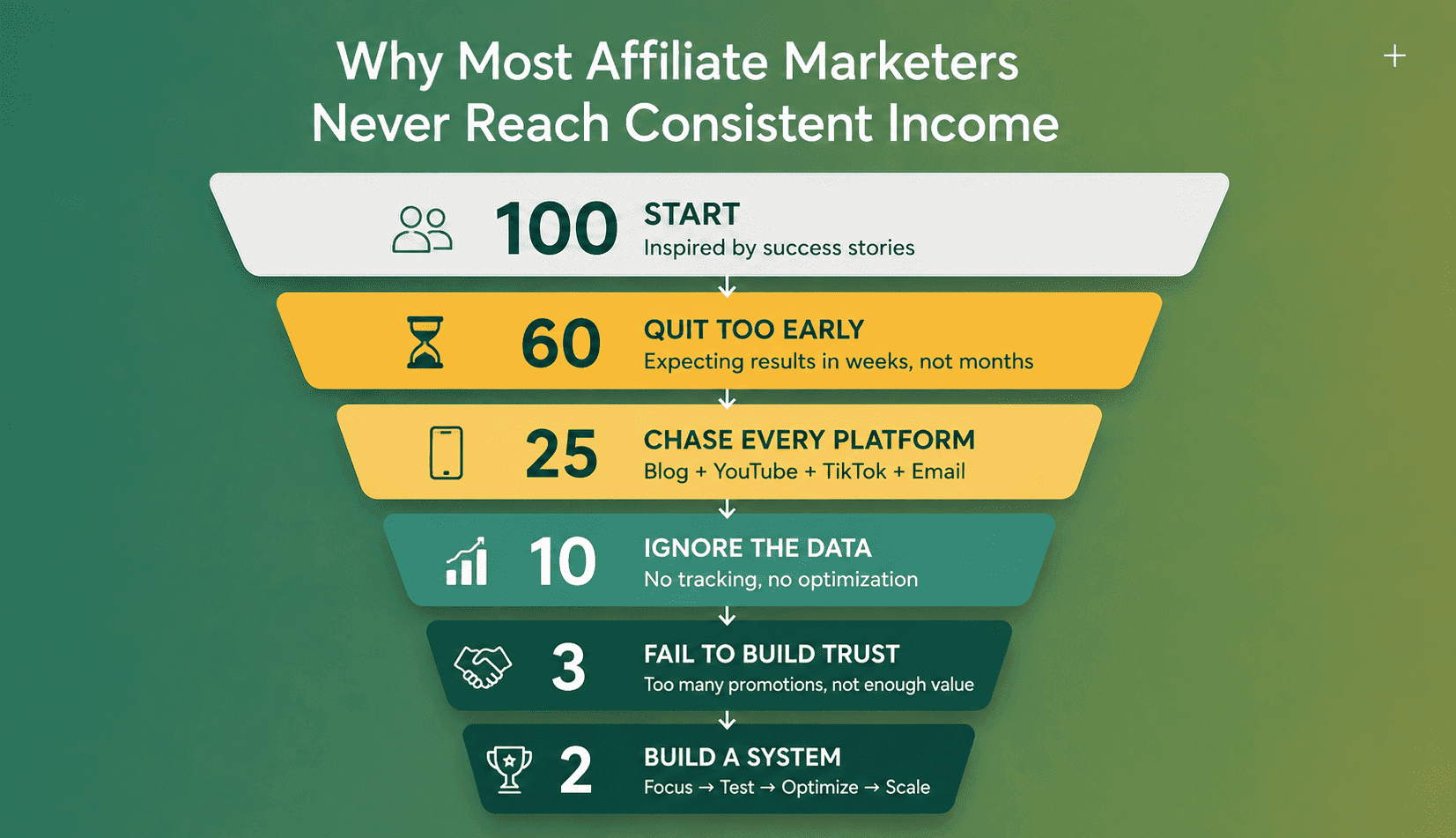
Starting affiliate marketing is relatively straightforward. Sticking with it long enough to see real results is where most people struggle not because the model doesn't work, but because a few avoidable mistakes slow everything down or kill motivation before the numbers start moving.
Choosing a Niche Purely for the Commissions
High payouts are tempting, but if you have no genuine interest in the topic, creating useful content becomes a grind and audiences sense it quickly. Beginners often earn more by promoting products they actually understand than by chasing the biggest commission rates in a space they don't care about.
What works instead: Look for the overlap between what you know, what your audience needs and what has monetization potential. All three matter.
Expecting Results Overnight
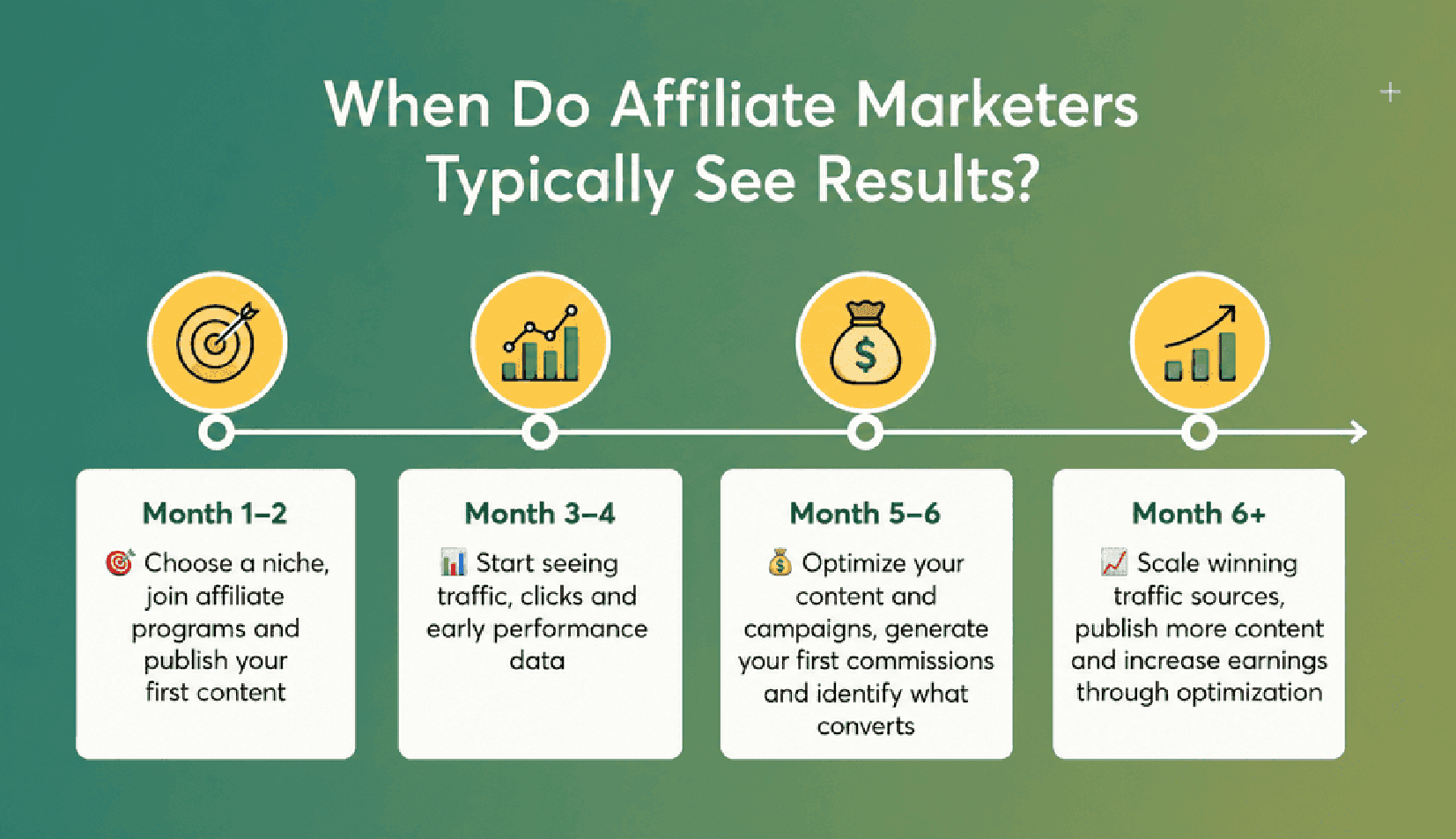
Affiliate marketing is not a fast income stream, and most people who quit do so just before their efforts start compounding. Building traffic, earning trust and optimizing campaigns all take time, typically months.
What works instead: Set realistic milestones rather than income targets early on. Focus on traffic growth and click-through rates before worrying about commission totals.
Spreading Across Too Many Channels at Once
Launching a blog, a YouTube channel, a TikTok account and an email newsletter simultaneously sounds productive. In practice it leads to mediocre content everywhere and mastery nowhere. Algorithms and audiences reward consistency, and consistency is hard to maintain across five platforms at once.
What works instead: Pick one traffic source, learn it properly and expand only once you're generating consistent results from it.
Promoting Too Many Products
More affiliate links don't mean more sales. Recommending ten products in one piece of content overwhelms readers and dilutes trust, because it starts to look like a catalog rather than genuine advice.
What works instead: Focus on a small number of products you can speak to with real authority. Depth of recommendation converts better than breadth.
Ignoring Analytics and Performance Data
Gut feeling is not a strategy. Without tracking clicks, conversions and traffic sources from the start, you have no way of knowing what's actually working and no basis for making it better.
What works instead: Set up basic tracking before you launch anything. Even free tools give you enough data to make meaningful decisions early on.
Publishing Content Without a Clear Buyer Intent
Generic, thinly researched content rarely earns rankings or trust. The problem is relevance. Content that doesn't meet readers at a specific point in their decision-making process tends to get ignored regardless of how well it's written.
What works instead: Before writing anything, ask what decision your reader is trying to make and how your content helps them make it.
Failing to Build Trust With Your Audience
People rarely buy from someone they don't trust, and trust is hard to build if recommendations feel like sales pitches. Beyond the relationship cost, failing to disclose affiliate relationships is also a legal requirement in most countries.
What works instead: Be upfront about affiliate relationships, share genuine pros and cons and prioritize your audience's interests over short-term commissions. Counterintuitively, honest negative points often increase conversions.
Scaling Before You Have a Proven System
Putting more money or effort behind something that isn't working yet just means losing more and faster. Many beginners increase their ad spend or content output hoping volume will solve a conversion problem, but it rarely does.
What works instead: Treat your first campaigns as experiments. Once you have data showing something converts, that's the moment to scale.
FAQ on How to Begin Affiliate Marketing
Is affiliate marketing worth it for beginners?
Yes, but it requires patience. The barrier to entry is low, startup costs are minimal and you don't need an existing audience to get started. Those who treat it as a long-term project rather than a quick income stream are the ones who see real results.
How do I start affiliate marketing with no money?
Choose a free platform, like TikTok, YouTube, Instagram or a free blog, and sign up for an affiliate network at no cost. The tradeoff is time: organic traffic takes longer to build than paid, but plenty of affiliates have started this way without spending anything upfront.
How long does it take to make money with affiliate marketing?
First commissions can come within weeks, but consistent income typically takes three to six months. SEO-based strategies take longest but compound over time; paid traffic like native advertising generates data faster but requires a testing budget. Anyone promising a specific timeline is usually oversimplifying.
Can I do affiliate marketing without a website?
Yes. YouTube, TikTok, Instagram and email newsletters all work for affiliate marketing without a website. The limitation is control: platform algorithm changes can affect your reach overnight. A website gives you a stable foundation you actually own.
Do I need prior experience to start?
No. Most successful affiliates started from scratch. What matters more than experience is understanding your niche and creating content that genuinely helps people make decisions.
How do I choose the right affiliate products to promote?
Focus on products relevant to your niche that you understand well enough to recommend honestly. Trusted brands with genuine demand convert better than high-commission offers nobody has heard of.
What is the best affiliate program for beginners?
It depends on your niche. Amazon Associates is the easiest entry point for physical products, ClickBank works well for digital products and MGID is worth exploring if you plan to use paid traffic. The best program is the one that matches what your audience actually wants to buy.
How much does it cost to start affiliate marketing?
You can start for free with organic traffic. If you want faster results, a testing budget of $100–$300 is usually enough to launch a first campaign and gather meaningful data. See the Starter Budget Guide above for a full breakdown.
Can I do affiliate marketing part-time?
Yes, most people start that way. Once content and campaigns are set up, they can generate income passively alongside a full-time job.
How and when do I get paid?
Most programs pay once you hit a minimum threshold, typically $10–$100 depending on the network, via PayPal, bank transfer or check. Payment frequency varies by program, so check the terms before you join.
Are there legal requirements I should know about?
Yes. In most countries you're legally required to disclose affiliate relationships in your content. Check the specific terms of each program you join: violations can result in account termination.
Conclusion
Affiliate marketing has a genuinely low barrier to entry, but a high bar for consistency. The mechanics are simple enough to understand in an afternoon; building something that earns reliably takes longer and requires more iteration than most beginners expect.
The good news is that the path is well-worn. Choose a niche you can create content around, pick one traffic source and learn it properly, find an offer that matches your audience and start gathering data. Everything else — optimization, scaling, expanding into new channels — comes after you have a foundation that works.
If you're ready to start and want faster feedback than organic traffic provides, MGID's native advertising platform lets you test offers with a modest budget and see real performance data early. Create an account and start exploring what works for your niche.