Easter is a seasonal moment that is reminiscent of change, rebirth and renewal. The days are getting longer, the mood is lighter, more positive and full of small traditions, and that makes it a genuine opportunity for advertisers to connect with audiences.
Here’s the problem: most advertisers tend to lean on the same tired stock photos. To cut through the seasonal noise in native feeds, stop advertising and start blending in.
Here are three creative shifts that are currently outperforming traditional ads this season.
1. The "Anti-Studio" Aesthetic (UGC & Screen Life)
The era of polished, high-gloss photography is cooling off. Today’s users have developed a reflex for scrolling past anything that looks too perfect.
The most successful creatives right now look like something a friend sent you. We’re talking about UGC (User-Generated Content) and "Screen Life" formats that don’t trigger the usual ad-defense mechanisms. They are successful because they mirror the content people actually want to see.
| Format | Why it works |
|---|---|
| Casual selfie with no ring light | Looks like a friend's story, not a campaign |
| Family moment captured on the fly | Triggers emotional recognition instantly |
| Phone screen recording with a call bubble | Mimics the content people are already consuming |

Visuals alone aren’t enough. The real driver is curiosity-first messaging:
- “Almost everyone overlooks this Easter planning idea”
- “Why Everyone is Changing Their Easter Routine This Year”
This messaging taps into a key native principle: intrigue is what makes advertising engaging. It triggers a fear of missing out that no 20% discount code can match.
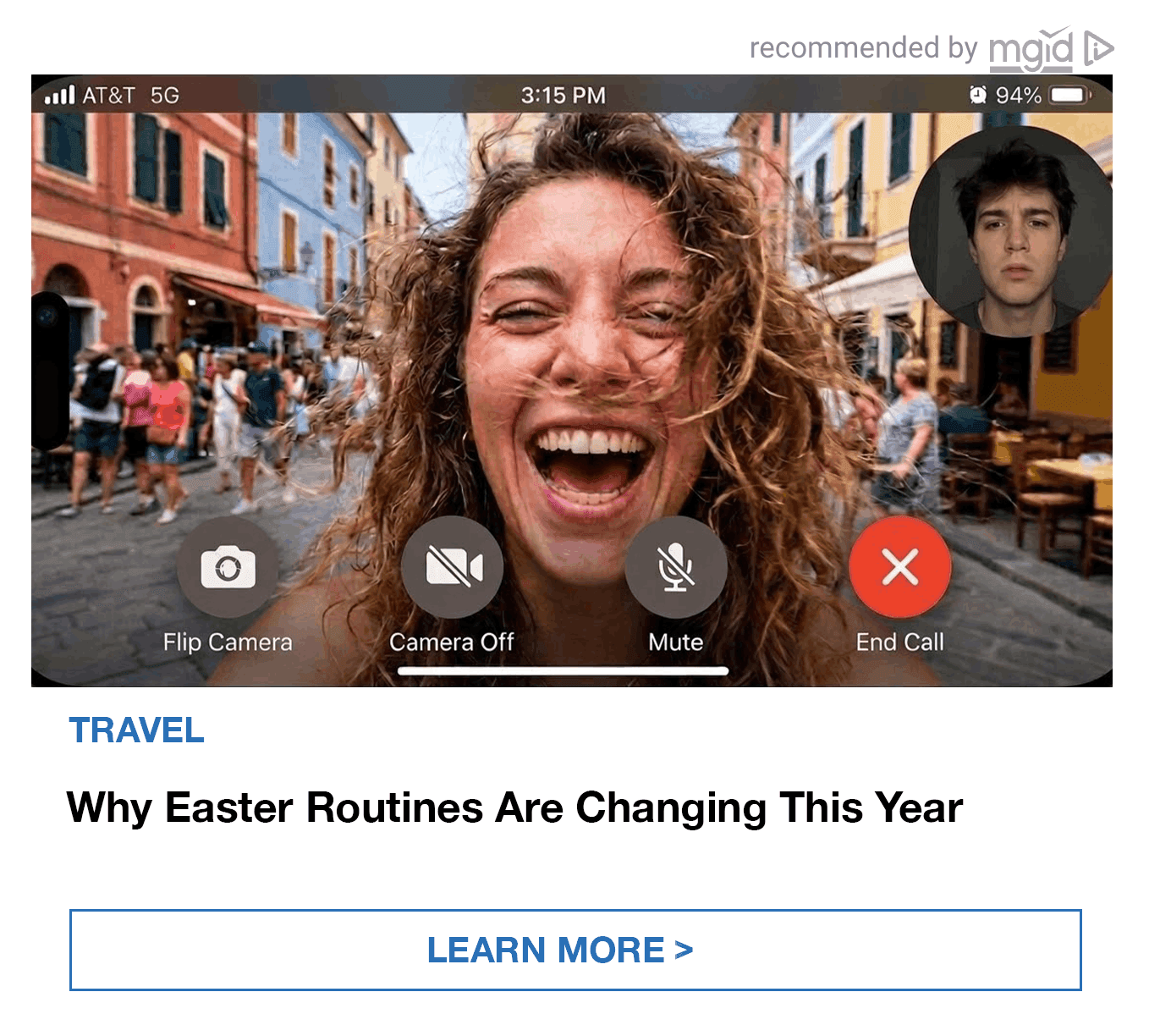
The holiday doesn't have to be named — you can approach it through emotion and association: a subtle spring mood, a family moment, a feeling that something is quietly shifting.
2. Tension & Tactility: The Hands-Only Approach
Easter is a holiday of traditions, but native advertising thrives on reframing the familiar. Instead of showing a happy family at a dinner table, try focusing on a single, symbolic action to create an intimate experience.
Hands-only visuals remove the distraction of faces. No face means no distance between the advertising and its audience. The viewer can project themselves into the creative. It's intimate and strangely hypnotic.
| Instead of... | Focus on... |
|---|---|
| A happy family at the dinner table | Two hands painting an egg an unexpected slate grey |
| Smiling faces holding gifts | Someone cradling an Easter rabbit like a candid documentary shot |
| A product in a festive setting | A hand about to crack open a dyed egg |
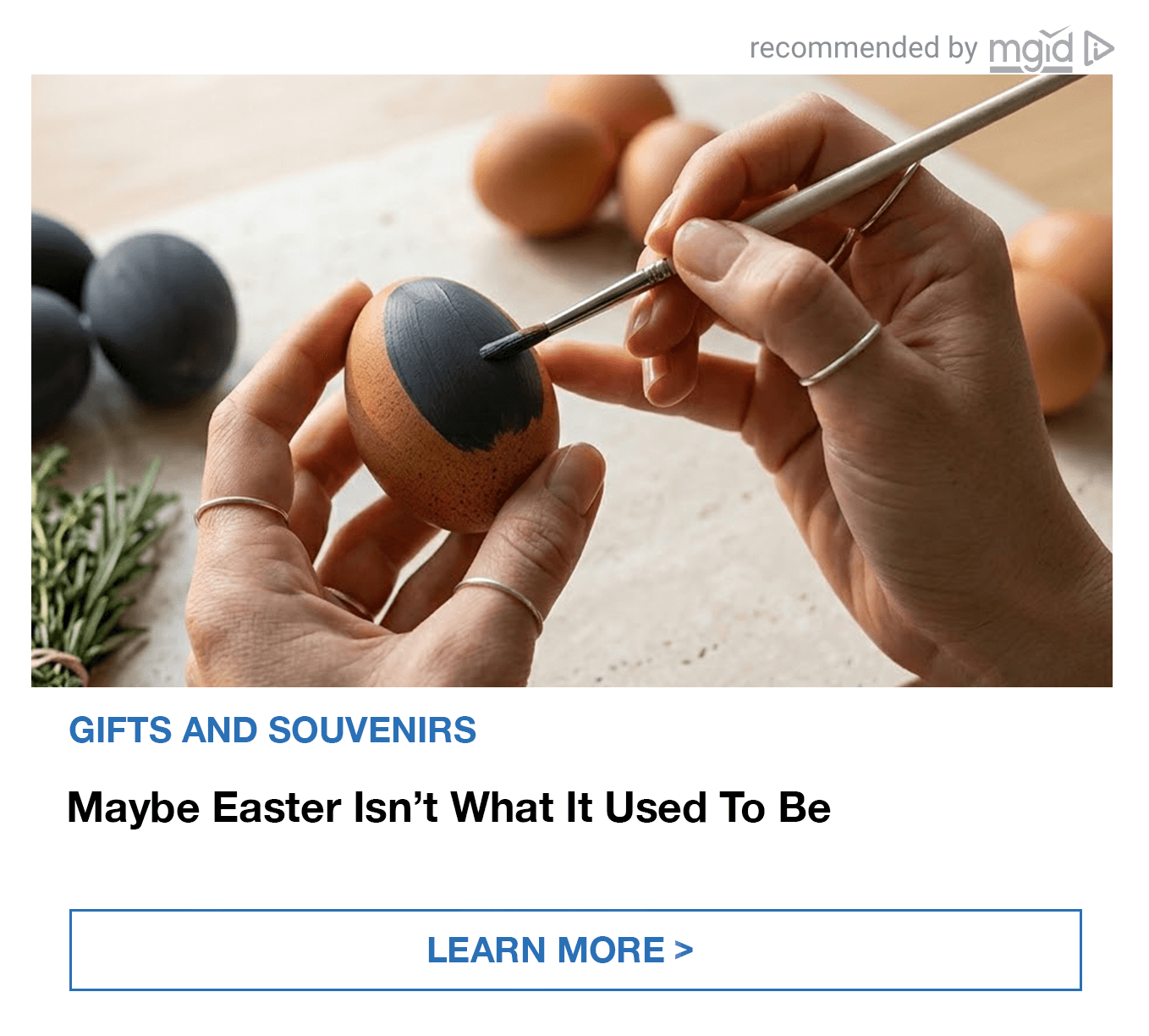
Pair these with headlines that gently challenge the status quo and create immediate cognitive dissonance:
- “Maybe Easter isn’t what it used to be”
- “Maybe we’ve been doing Easter the wrong way”
This trend connects directly with native best practices: don’t oversell, don’t overexplain and let the user lean in.
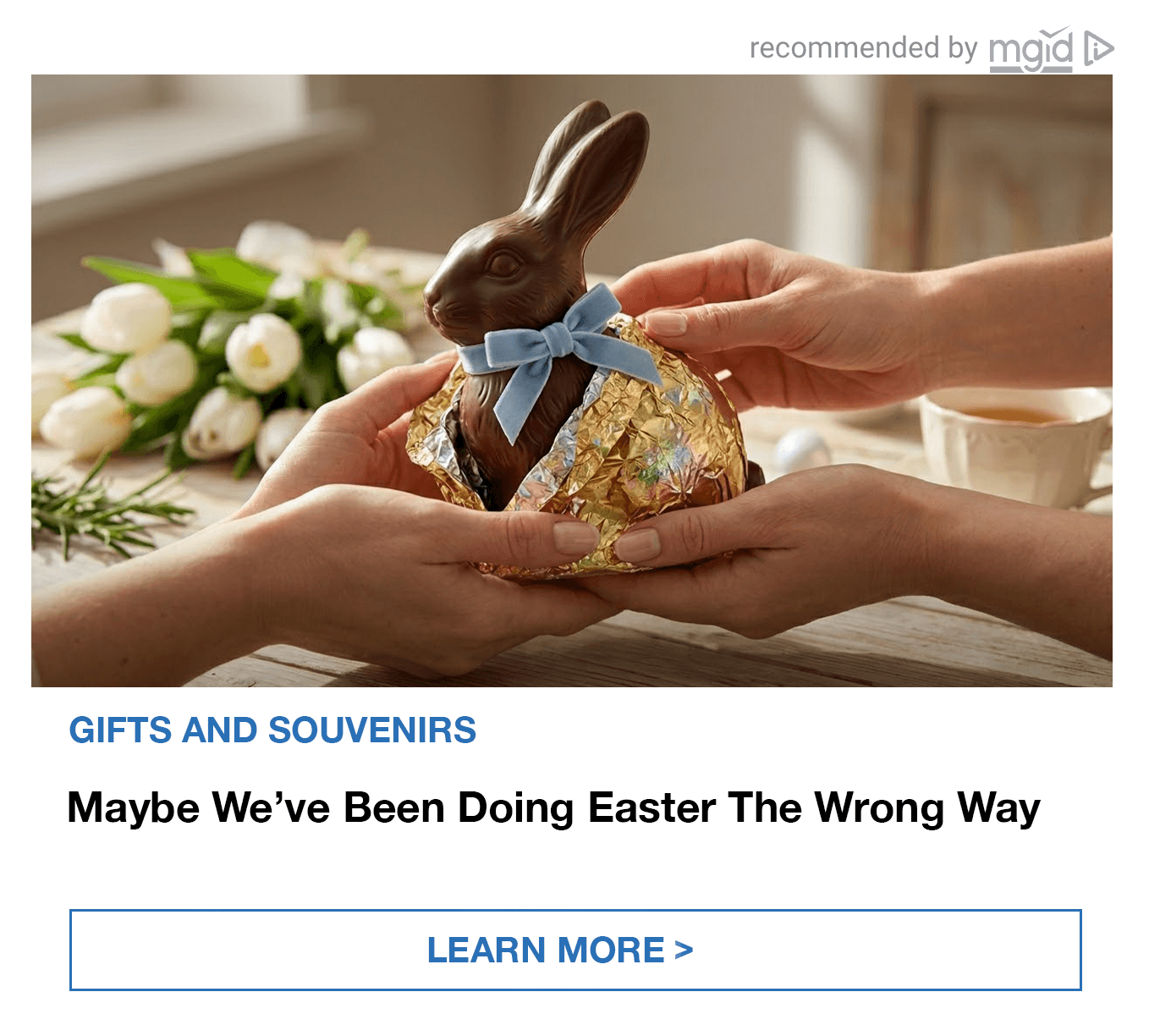
With native advertising, you guide the user into rethinking something familiar rather than pushing them to consume. That's a much softer and much more effective way to sell.
3. Sensory Hooks & The "Micro-Moment"
The third trend is about how users experience the creative, visually and almost physically.
Part 1: Zoom-In Visuals That Slow the Scroll
Sometimes, the best way to stop a scroll is to go incredibly close.
Tight, textured visuals create a sensory experience that feels almost physical: the kind of image you want to reach into.
| Close-up visual | Why it stops the scroll |
|---|---|
| Melting dark chocolate catching the light | Glossy movement + indulgence trigger |
| Soft, uneven grain of a marshmallow | Tactile softness that feels almost physical |
| Condensation on a cold spring drink | Signals freshness and seasonal relief |
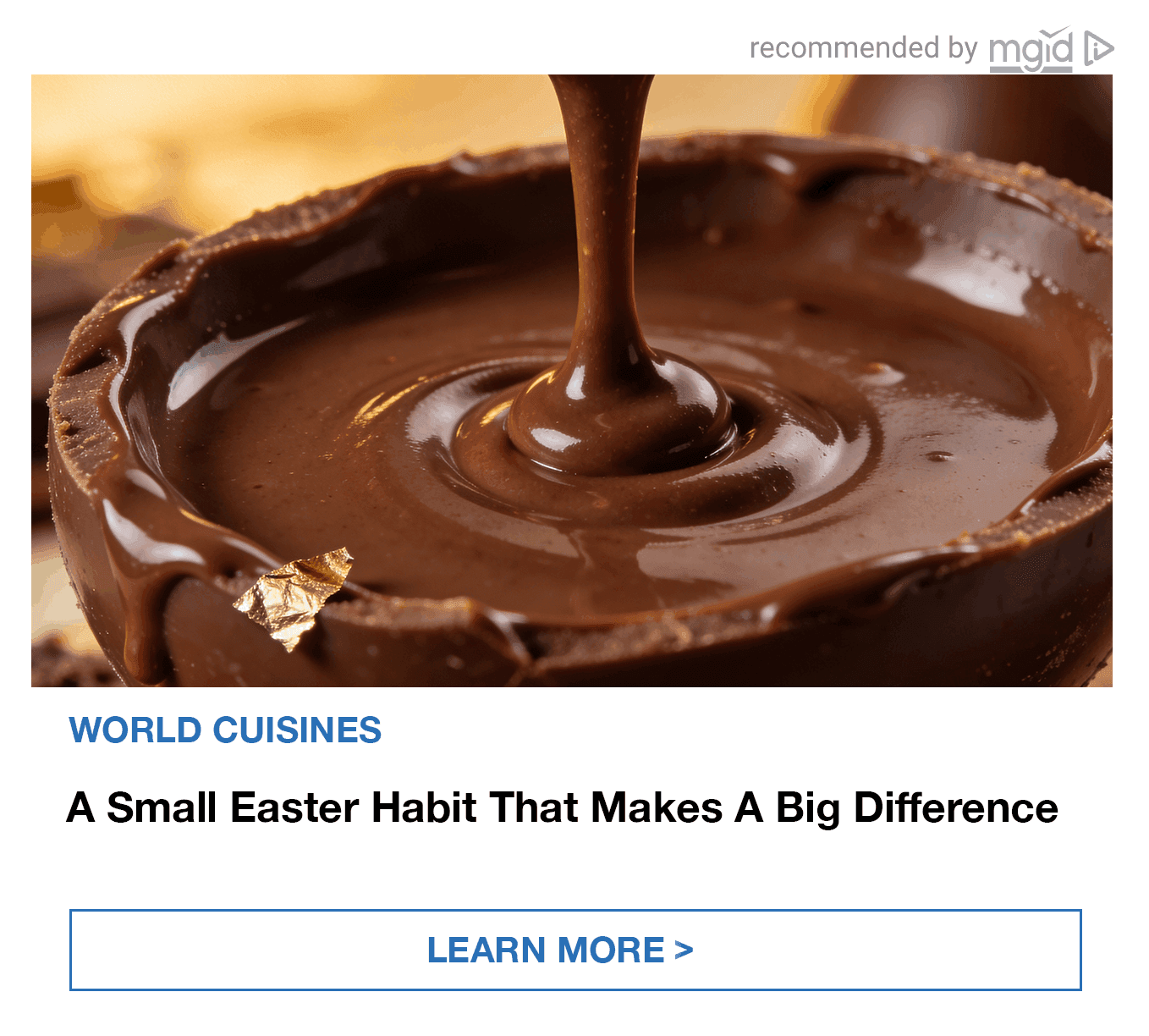
Sensory images work best when paired with soft, curiosity-driven copy that, like the accompanying image, hints at small details making a big impact:
- “A small Easter habit that makes a big difference”
- “One detail that transforms the whole Easter mood”
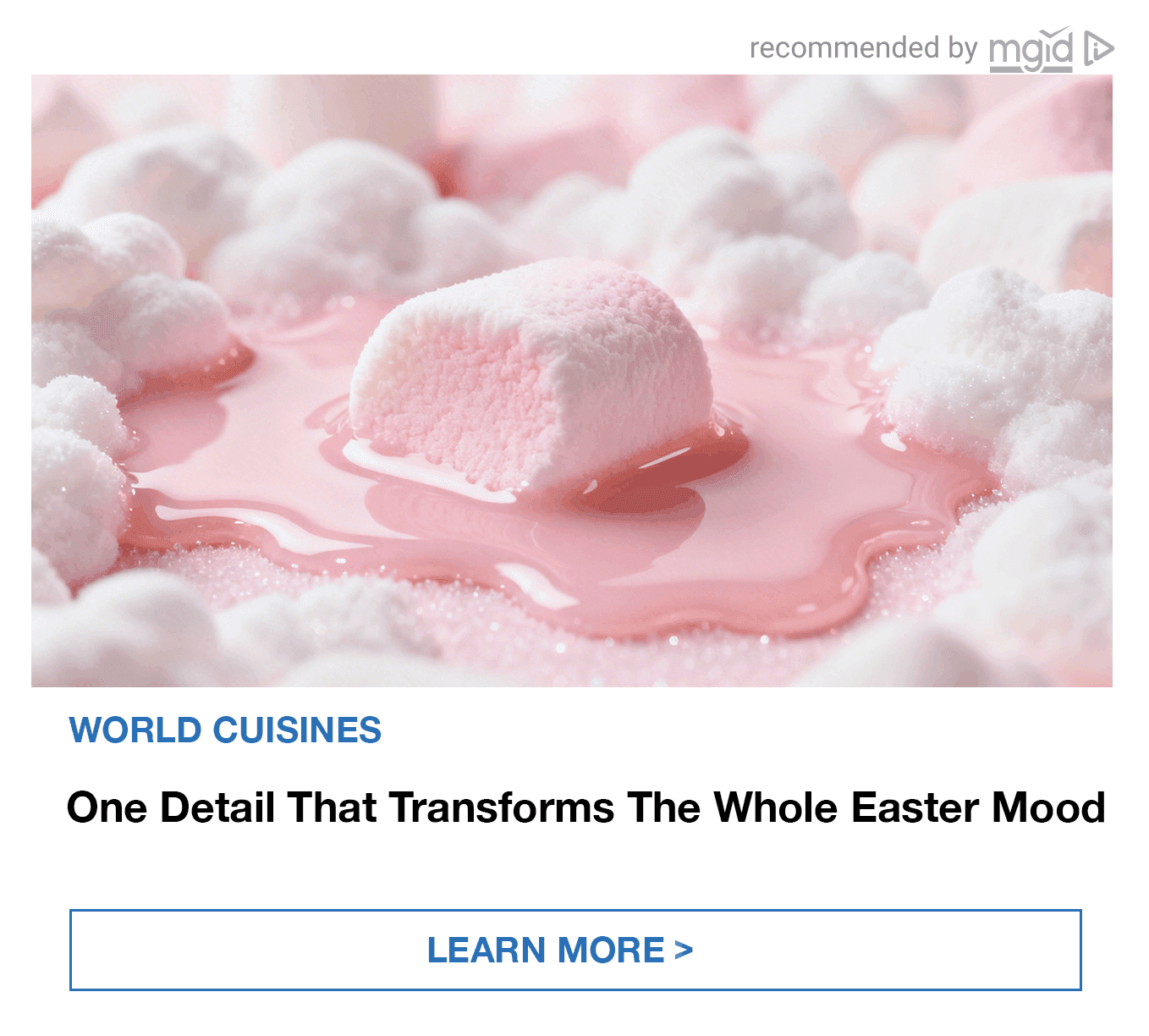
Rather than shouting for attention, these creatives invite it, and in a feed full of noise, an invitation is harder to ignore than a shout.
Part 2: Interactive Discovery (Rich Media)
Once you’ve captured attention, the next step is interaction. This is where Rich Media becomes essential. Easter is literally built around hiding and finding. That's why interactive formats pair perfectly for the holiday.
| Format | The mechanic |
|---|---|
| Tap-to-reveal ("crack the egg") | User "cracks" the egg to uncover an offer |
| Swipe interaction | Swipe to reveal hidden content or an exclusive deal |
| Hidden elements | Find what's hiding on screen to unlock a surprise |
| Mini game or quiz | Complete a short interaction to receive a personalized reward |
Interactive Rich Media ads are designed to create a moment.
Whether that is a “crack the egg” or “find the bunny rabbit” mechanic, Rich Media can mirror the exact ritual people already associate with the holiday. And in native placements, where ads blend into content, that moment becomes a major advantage.
Before You Launch: Common Easter Creative Mistakes
Knowing what works is only half the battle. Here are the four common Easter mistakes that tends to go wrong:
- Stock photos that scream seasonal campaign: If it looks like Easter clipart, it scrolls like Easter clipart.
- Leading with the discount instead of the emotion: The destination is the hook, not the offer.
- Showing too much: A single symbolic detail outperforms a full festive scene every time.
- Forgetting that Easter is about discovery: If your ad doesn't invite curiosity, it's just decoration.
The Bottom Line: Stop Pushing, Start Guiding
Easter is a short but competitive season. The brands that win are the ones that feel the most natural in the feed, blending authenticity with a hint of intrigue.
Everything comes down to three directions:
- Authenticity + curiosity: Make your ad feel unique and inviting..
- Reframing familiar moments: Use one symbolic action instead of a full scene. 3 Sensory visuals + interaction: Create the feeling before the click.
Together, these three creative strategies do one thing: make people stop, lean in and click.
So, build small experiences rooted in the season: experiences that are curious, tactile and interactive. That's what Easter advertising actually looks like when it works.